Behind the Book: Rübezahl by M. Laszlo | Story Inspirations
One of the things I enjoy most about reviewing indie fantasy is discovering the deeper inspirations behind a story.
When I reviewed Rübezahl earlier this year, I was especially struck by its blend of folklore, philosophy, and political allegory. Today, author M. Laszlo is stopping by to share some of the real-world experiences and places that helped shape the novel's atmosphere and themes.
M. Laszlo on Folklore, Politics, and the Ghost Town That Inspired the Novel
A Little About Rübezahl by M. Laszlo
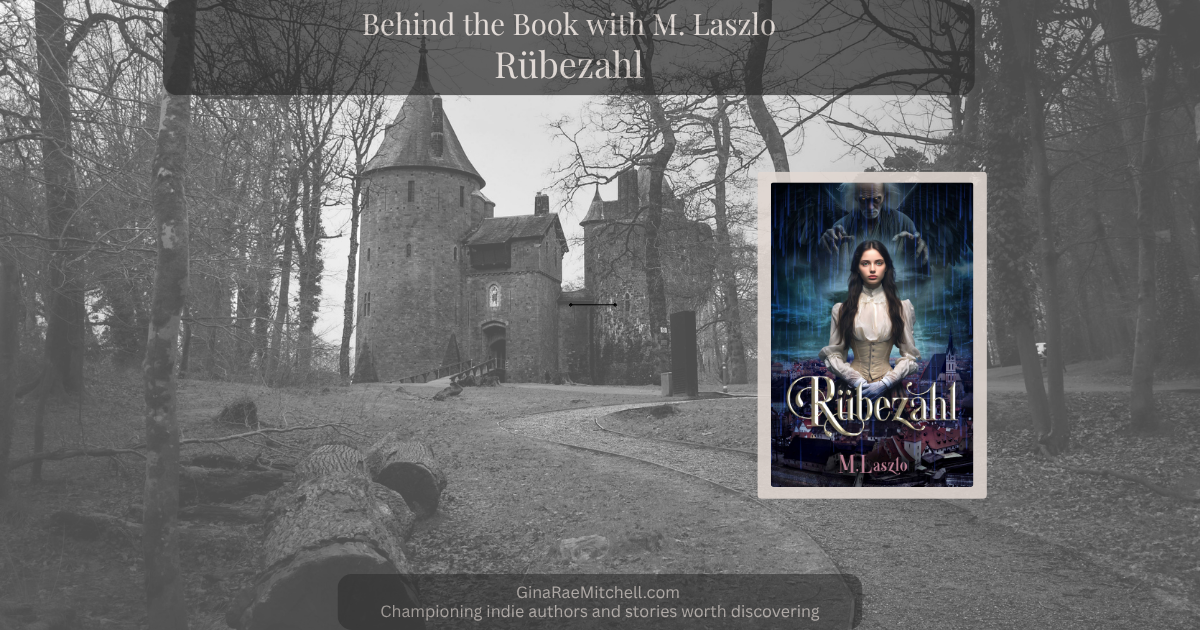
 Rübezahl
 In the shadowed City of Iluze, seventeen-year-old Waltraud is the only person who understands the true source of the city’s growing madness. Hidden away for decades in the attic of Professor Kaspar’s townhouse, the imprisoned fiend Rübezahl calls out to her alone. When Waltraud refuses to help him escape, the city falls under a strange and terrifying spell of rain, hallucinations, and creeping apathy. As journalists and citizens alike begin defending the very force destroying them, Waltraud must confront both the monster haunting the city and the one invading her own mind.
I previously reviewed Rübezahl on GinaRaeMitchell.com. If you'd like a deeper look at the story itself, you can read my full review here.
Behind the Book: Rübezahl, The Origins
In this Behind the Book feature, M. Laszlo shares the unusual setting, political tensions, and folklore influences that shaped the dark philosophical fantasy Rübezahl.
"When the summer ends, Chautauqua Institution becomes something like a ghost town."
Rübezahl follows from an idea book that I kept while living in my family's vacation home at Chautauqua Institution in upstate New York from fall 1995 through spring 1996.
For those unfamiliar with Chautauqua Institution, it is part resort, part adult education center, and entirely unlike anywhere else I have ever experienced. During the summer months, the grounds overflow with visitors, lectures, concerts, gardens, bookstores, performances, and endless activity.
But once the season ends, the atmosphere changes completely.
The quiet off-season atmosphere became one of the strongest inspirations behind the mood and setting of Rübezahl.
Living there during the quieter months, I spent much of my time wandering the nearly deserted grounds. The experience naturally lent itself to fantasy. The ornate buildings, wooded paths, streams, and lingering silence all found their way into the fictional City of Iluze.
At the same time, I had long wanted to write a political allegory, and Chautauqua proved equally inspiring in that regard.
"A political allegory does require an interesting foe."
Though the institution began as a Methodist retreat, it eventually evolved into a place strongly shaped by progressive political philosophy. Spending time there made it impossible not to think about ideology, social conflict, and the ways belief systems shape entire communities.
Equally striking was the tension between the wealthy seasonal property owners and the contractors who remained year-round completing construction and renovation work. During the off-season, the constant sounds of hammers and machinery transformed the grounds into something far removed from the peaceful summer retreat visitors imagine.
Those tensions eventually influenced the revolutionary undercurrents woven throughout Rübezahl.
Many of the political and social conflicts within the novel grew from observing real-world divisions between class, labor, tradition, and ideology.
At the center of it all, however, remained the figure of Rübezahl himself - a character drawn from Silesian, Czech, and German folklore. Bringing that older folklore into the novel felt essential to grounding the larger philosophical and political ideas within something timeless and human.
To me, folklore reflects the simplest beliefs, fears, customs, and aspirations that shape ordinary people's lives. Without that connection, the story would have risked becoming too abstract.
"A story devoid of genuine beliefs and traditions would be a story devoid of hope for a more peaceful tomorrow."
About the Author:
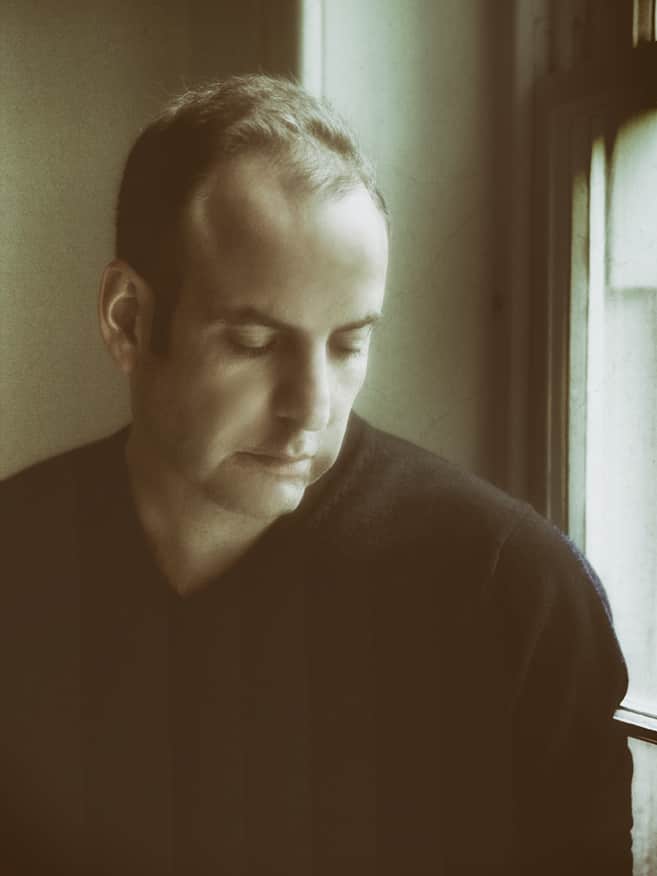
M. Laszlo lives in Bath Township, Ohio, and is the author of several works of philosophical and dark fantasy, including Rübezahl.
Looking for more from M. Laszlo? Visit my M. Laszlo Author Hub for reviews, features, guest posts, and reading recommendations.
Explore more from the author:
Website |
Amazon |
Goodreads
If Rübezahl sounds like your kind of read, you can explore the book here:
Support Local Bookshops
If you prefer to shop local, you can purchase Rübezahl through independent bookstores using Bookshop.org.
If you choose to purchase through Bookshop, completing your order in your browser (rather than the app) helps support my work at no extra cost to you. Thank you!
Enjoy discovering books and articles like this? Follow GinaRaeMitchell.com for more book spotlights, reviews, giveaways, and reader-friendly finds.
Get Friday Finds + Bookish Extras
Join me for Friday Finds, cozy reads, and bookish discoveries delivered straight to your inbox.
[…] « Behind the Book with M. Laszlo | Exploring the Inspirations Behind Rübezahl […]
Thank you, Gina!